Engineering Service
Supply Chain
Management
Engineering-focused sourcing, supplier coordination, quality control and delivery support for magnets, motor components, machined parts, molded parts, laminations, windings and custom assemblies.
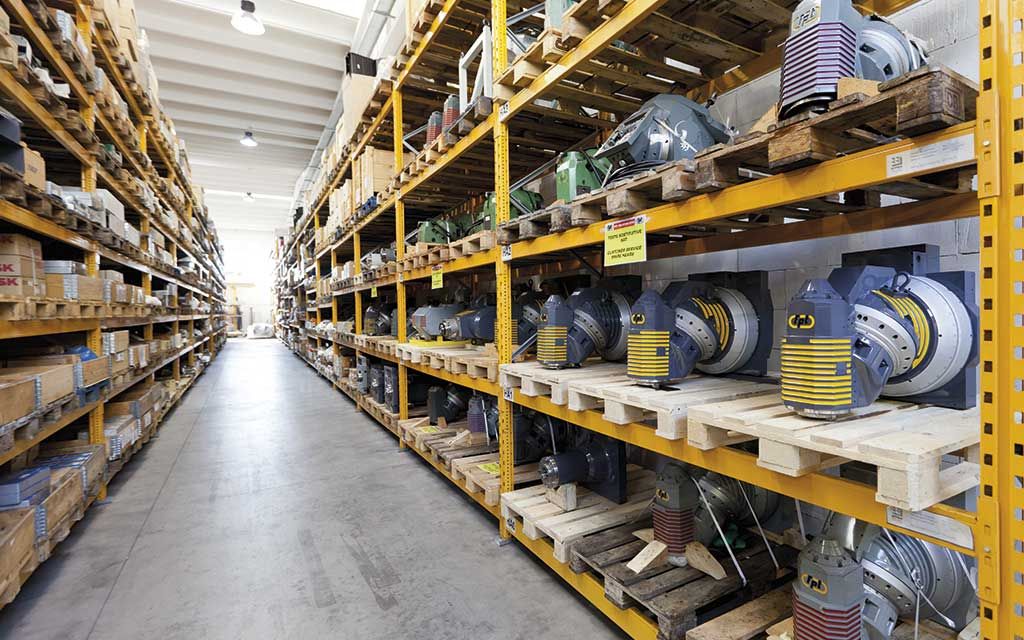
Service Positioning
Supply Chain Control for Technical Components
For engineered parts, supply chain management is not only purchasing. It must connect drawings, material standards, manufacturability, supplier capability, inspection method, packaging and revision control before the first batch becomes a quality or delivery problem.
Vanguard supports customers who need reliable sourcing and production coordination for motor and magnetic projects. We help convert technical requirements into supplier instructions, sample approval steps, quality records and delivery checkpoints so purchasing decisions are based on engineering risk as well as price.
Best first message: send the BOM, drawings, required quantity, quality requirements, target delivery date, current supplier issue and which parts are most critical for function or schedule.
Service Snapshot
Where Engineering Adds Value to Supply Chain Work
01 Supplier Matching Manufacturing route, material capability, tolerance level, volume, surface treatment and inspection needs are matched before supplier selection.
02 Technical Sourcing Drawings, BOM, material standards, coatings, magnet grades, winding data and assembly requirements are reviewed before quotation and production.
03 Quality Consistency Critical dimensions, magnetic properties, electrical tests, surface finish, packaging and inspection reports are controlled through agreed standards.
04 Delivery Risk Control Long-lead materials, tooling, coating, heat treatment, magnetization, testing and logistics risks are tracked as part of the supply plan.
Image Gallery
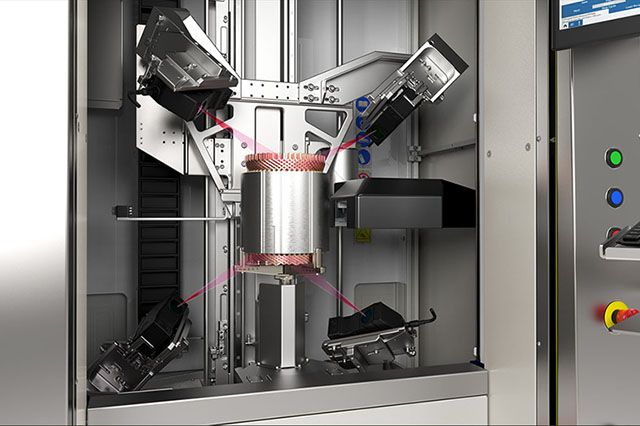
Technical Supply Chain for Motor and Magnetic Parts
The supply chain must handle different process routes without losing control of drawings, materials, inspection records and shipment timing.



Engineering Intake
Information Needed for Supply Chain Planning
A reliable supply plan depends on technical clarity. Drawings, material expectations, inspection level and delivery rhythm should be defined before suppliers are compared only by unit price.
| Input Area | Recommended Data | Why Engineers Need It | Typical Output |
|---|---|---|---|
| Part Package | BOM, 3D files, 2D drawings, samples, photos and current supplier data | Defines sourcing scope and avoids quotation based on incomplete assumptions | Sourcing list and open-question log |
| Technical Requirement | Material, tolerance, heat treatment, coating, magnet grade, winding data and assembly standard | Determines supplier capability, process route and inspection method | Technical sourcing checklist |
| Quality Requirement | Critical dimensions, inspection report, material certificate, magnetic data, electrical test and appearance level | Prevents delivery disputes and late inspection surprises | QC plan and reporting format |
| Volume & Forecast | Prototype quantity, pilot quantity, annual demand, delivery frequency and buffer stock need | Controls supplier selection, tooling plan and inventory strategy | Supply route and capacity plan |
| Schedule Requirement | Sample deadline, mass production date, monthly shipment plan and urgent recovery need | Identifies long-lead materials and process bottlenecks | Milestone plan and lead-time risk list |
| Change Control | Revision approval, allowed substitutions, deviation rules, packaging changes and supplier transfer limits | Keeps engineering, purchasing and production aligned | Revision log and control process |
Workflow
How We Manage a Technical Supply Chain Project
The workflow can support single-source replacement, multi-part sourcing, prototype-to-production transfer or ongoing supply chain management for engineered components.
1 Requirement Review Review drawings, BOM, material standards, quality expectations, delivery goals and current supply problems.
2 Supplier Mapping Match each part to suitable processes such as magnets, machining, molding, casting, winding, coating or assembly.
3 Sample Qualification Arrange samples, inspect critical data, compare against drawings and resolve technical deviations before approval.
4 Production Control Track material, tooling, production, inspection, packaging and shipment status against agreed milestones.
5 Continuous Improvement Use delivery, quality and cost feedback to improve process stability, supplier performance and long-term supply reliability.
Management Scope
Supply Chain Areas We Can Support
Vanguard is especially useful for engineering supply chains that combine magnetic materials, precision manufacturing, motor components and assembly processes.
Magnet Magnet & Magnetic Assembly Supply NdFeB, SmCo, ferrite, bonded magnets, coatings, magnetization, polarity control, flux inspection and magnetic assemblies.
Motor Motor Component Supply Laminations, wound stators, magnetic rotors, shafts, sleeves, housings, bearings, insulation parts and assembly kits.
Process Precision Manufacturing CNC turning, CNC milling, grinding, wire EDM, drilling, tapping, die casting, extrusion and 3D printing support.
Mold Molded & Plastic Parts Injection molding, compression molding, molded magnets, overmolding, insert molding and plastic component sourcing.
Transfer Supplier Transfer Reverse engineering, sample matching, material confirmation, drawing cleanup and quality standard rebuilding for new supply routes.
Kit Assembly & Packaging Subassembly coordination, bonding, fastening, marking, inspection, protective packaging and shipment preparation.
Control Points
Typical Supply Chain Management Trade-Offs
A good supply chain is not only the lowest price. It must balance cost, lead time, technical risk, quality consistency and long-term availability.
| Decision | Cost / Speed Direction | Reliability Direction | Review Point |
|---|---|---|---|
| Supplier Selection | Use fastest available supplier for urgent samples | Use qualified supplier with stable process capability | Prototype supplier may not be suitable for mass production |
| Material Choice | Use available equivalent material to reduce lead time | Use confirmed material grade with certificate and test data | Substitution must be approved before production |
| Inspection Level | Check only critical dimensions for quick samples | Full inspection, material data, magnetic/electrical testing as required | Inspection depth should match risk and project stage |
| Inventory Strategy | Low inventory to reduce carrying cost | Buffer stock for long-lead materials and stable delivery | Forecast accuracy and material lead time must be reviewed |
| Single vs Multi Source | Single source simplifies communication and cost | Backup supplier reduces shortage and capacity risk | Critical parts may need approved alternative routes |
| Production Location | Choose lower-cost process route | Choose route with better quality control and technical support | Total cost includes rework, delay, inspection and logistics risk |
Deliverables
What Customers Can Receive
Plan Sourcing Plan Recommended process route, supplier direction, open technical questions and sourcing risk notes.
Supplier Supplier Coordination Quotation follow-up, technical clarification, sample schedule, production tracking and shipment updates.
Sample Sample Qualification Sample comparison, critical inspection, material confirmation and approval support.
QC Quality Documentation Inspection reports, material certificates, magnetic data, electrical test records or agreed QC documents.
Risk Risk Tracking Lead-time risks, material shortages, tooling status, process bottlenecks and corrective action follow-up.
Batch Production Supply Support Batch planning, packaging, inventory coordination, logistics support and continuous improvement feedback.
Risk Control
Common Supply Chain Risks We Check Early
Data Incomplete Technical Data Missing tolerances, material standards or inspection criteria can cause quotation errors and delivery disputes.
Lead Hidden Long-Lead Process Special magnet grades, coatings, heat treatment, tooling or winding materials can control the real delivery date.
Capability Supplier Capability Mismatch A supplier may quote a part but still lack stable capability for tolerance, coating, inspection or batch volume.
Change Uncontrolled Substitutions Material, coating, adhesive, wire or packaging substitutions can create performance and reliability problems.
QC Quality Standard Changes Late Adding reports or tests after production starts often causes rework and shipment delay.
Backup No Backup Route Single-source dependency can become a serious risk for critical parts, long-lead materials or seasonal capacity shortages.
FAQ
Supply Chain Management FAQ
Can you manage suppliers for both prototypes and mass production?
Yes. We can support quick sample sourcing, prototype qualification, pilot runs and ongoing production supply. Supplier selection should change according to technical risk and volume.
Can you support multi-part motor or magnetic assembly projects?
Yes. We can coordinate magnets, laminations, shafts, sleeves, housings, windings, insulation parts, molded parts, machined parts, fixtures and finished subassemblies.
Can you help with supplier transfer?
Yes. Supplier transfer can include reverse engineering, drawing cleanup, sample comparison, material confirmation, inspection standard rebuilding and production qualification.
What should we send first?
Useful information includes BOM, drawings, annual forecast, sample requirement, quality documents, target delivery date, current supplier data and the main supply problem you need to solve.
Send the BOM, Drawings and Supply Risk
Tell us which parts are urgent, which requirements are critical and where the current supply chain is unstable. We can help build a more technical and controllable sourcing plan.
Image sources: Hero image from FPT Industrie spare-parts page; gallery images from VLR logistics article, New Jersey Department of Labor warehouse image, KEDE magnetic rotor assembly page and Marposs quality-control page. Images were selected from visible no-watermark web results. For formal commercial publishing, please confirm usage rights with the source owners or replace them with company-owned warehouse, inspection, assembly and shipment photos.
Engineering Services
Set A Consultation Today
Name can't be empty
Email error!
Send Your Message
*We respect your confidentiality and all
information are protected.