Ningbo Vanguard Technologies Co., Ltd
Design for Manufacturability Review
Engineering review support for teams that need to confirm whether a motor component, magnetic assembly or precision part can be manufactured, assembled, inspected and scaled before tooling, prototype builds or mass production release.

Engineering Positioning
DFM Connects Design Intent With Real Production Capability
A design can look correct on screen but still be expensive, unstable or difficult to inspect in production. Vanguard reviews product design together with material behavior, process limits, assembly sequence, fixture access, tolerance stack and quality control method.
For motors and magnetic assemblies, manufacturability is not only about whether a single part can be made. Magnet handling, coating thickness, adhesive gap, sleeve retention, lamination burrs, winding clearance, datum logic and inspection access all affect whether the design can scale.
DFM is most useful before tooling or pilot production. Early review can reduce redesign loops, supplier disputes, scrap, schedule pressure and hidden assembly problems.
Service Snapshot
What We Review Before Design Release
01 Manufacturing Feasibility Check casting, sintering, grinding, machining, stamping, winding, molding, bonding, magnetization and assembly constraints.
02 Tolerance and Datum Logic Review critical dimensions, GD&T, concentricity, flatness, runout, tolerance stack and inspection reference consistency.
03 Assembly and Service Risk Review adhesive gaps, magnet polarity, air gap, fastener access, interference risk, fixture needs and production sequence.
04 Cost and Yield Awareness Separate must-control features from over-specified features so cost, yield and quality effort are focused where they matter.
Image Gallery
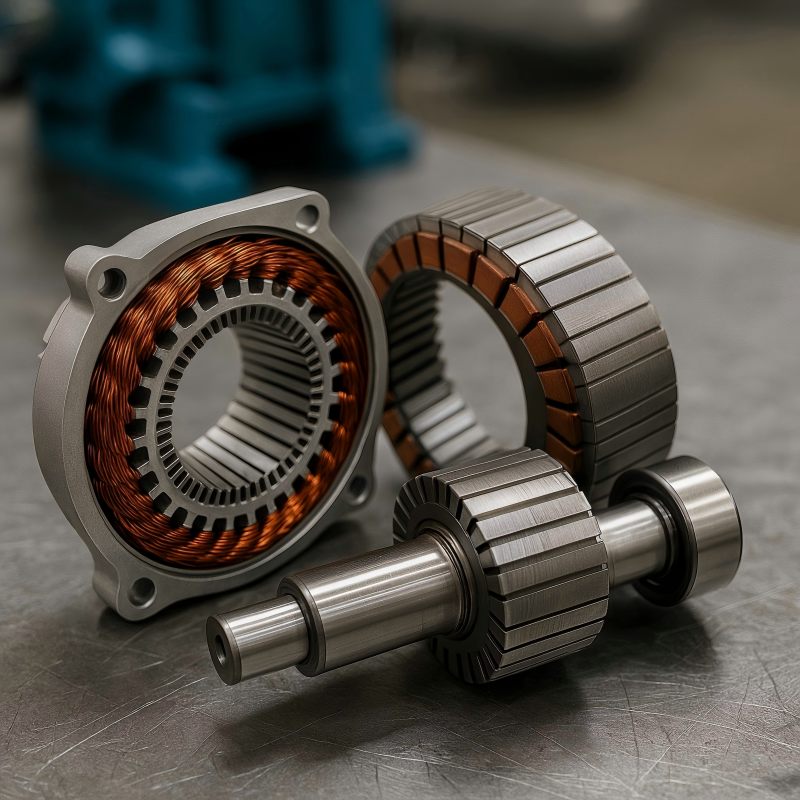
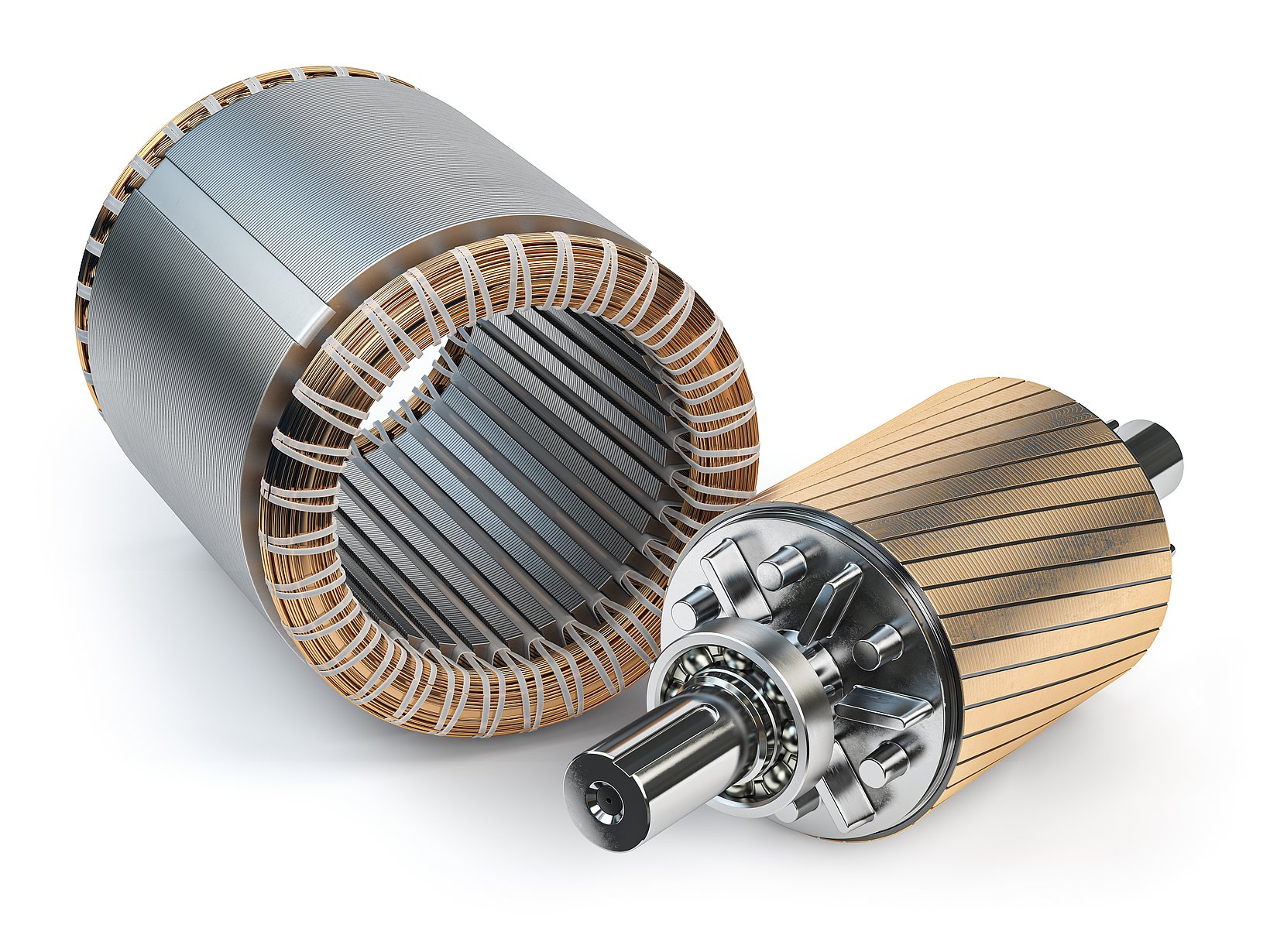
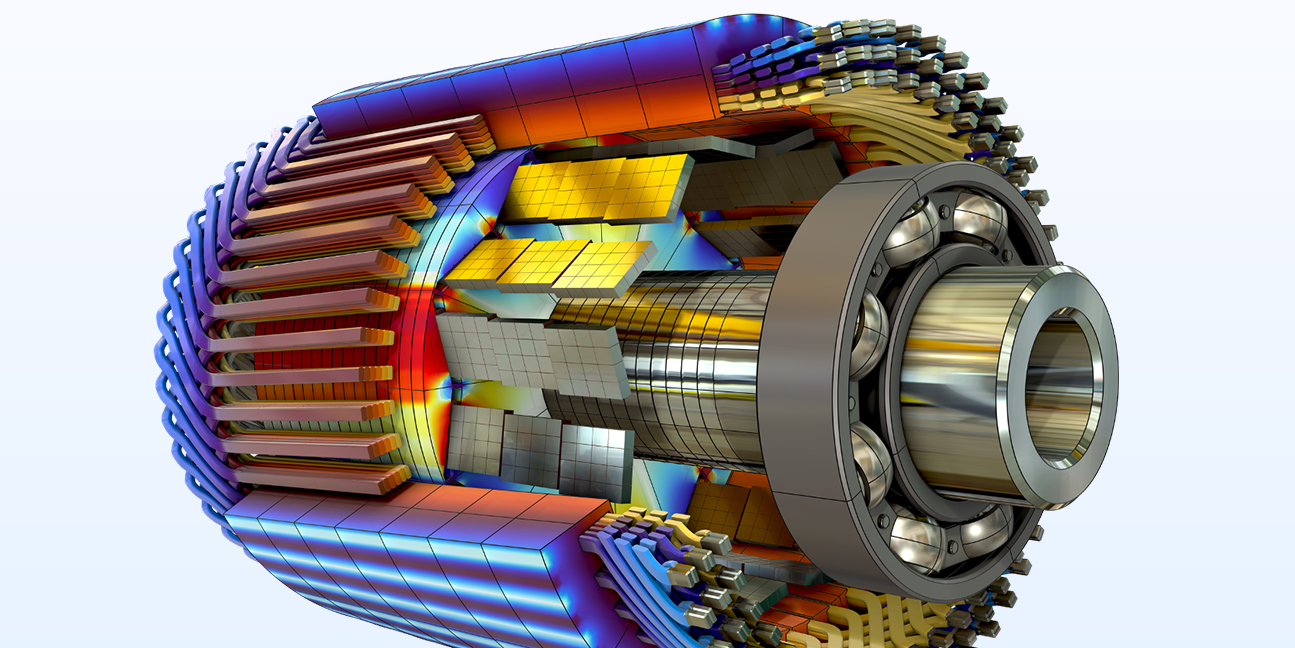
Typical DFM Review Focus Areas

Engineering Intake
Information Needed for a Useful DFM Review
The more complete the design context is, the more specific the review can be. Early-stage concepts can still be reviewed, but released drawings require clear functional and production assumptions.
| Input Area | Recommended Data | Why Engineers Need It | Typical Output |
|---|---|---|---|
| Design Files | 2D drawings, 3D models, BOM, material grades, coating and assembly drawing | Defines geometry, interfaces and design intent | DFM issue list and drawing comments |
| Function Requirement | Magnetic output, torque, holding force, load, speed, air gap, temperature and lifetime | Separates critical features from non-critical features | Critical-to-function feature list |
| Production Route | Preferred process, supplier capability, tooling plan, prototype method and annual volume | Manufacturability depends on actual process route and volume | Process feasibility comments |
| Tolerance Requirement | Critical dimensions, datum system, GD&T, fit requirement and inspection method | Prevents impossible tolerances and unclear inspection disputes | Tolerance and datum recommendations |
| Assembly Condition | Bonding, press fit, welding, fasteners, magnetization sequence, fixtures and operator access | Many manufacturing failures appear during assembly, not part fabrication | Assembly risk and fixture notes |
| Cost and Timing Target | Prototype timing, tooling budget, unit cost target, launch schedule and revision status | Helps choose practical changes instead of theoretical perfection | Action priority and release recommendation |
Workflow
How DFM Review Usually Moves Forward
1 Design Intake Collect drawings, models, function targets, material assumptions, production volume and known constraints.
2 Feature Review Check geometry, tolerance, datum, wall thickness, holes, chamfers, corners, grinding access and handling risk.
3 Process Match Compare design requirements against practical manufacturing processes, tooling, fixtures and supplier capability.
4 Risk Ranking Prioritize issues by function risk, quality risk, cost impact, lead-time impact and ease of design change.
5 Revision Support Provide recommended changes, inspection notes, process comments and release suggestions.
Review Scope
DFM Areas We Commonly Review
Magnets Magnet Parts Grade, coating, chamfer, thin wall, fragile edges, magnetization direction, grinding access and polarity marking.
Assemblies Magnetic Assemblies Rotor assembly, stator assembly, magnetic coupling, Halbach array, bonding gap, sleeve retention and air-gap control.
Cores Laminations and Cores Slot geometry, bridge thickness, burr direction, stack height, welding, riveting, insulation and punching feasibility.
Parts Machined and Molded Parts CNC turning, milling, grinding, wire EDM, die casting, injection molding, draft angle, shrinkage and inspection access.
Design Decisions
Typical DFM Trade-Offs
DFM is not about making every feature easy. It is about protecting the features that drive function while reducing avoidable cost, scrap and production uncertainty.
For magnetic and motor-related designs, a small design choice can affect multiple steps: machining, coating, magnetization, bonding, assembly, balancing and final inspection.
Comparison Table
Common DFM Trade-Offs
| Decision | Design-Performance Direction | Manufacturing-Friendly Direction | Review Point |
|---|---|---|---|
| Tolerance | Tighter tolerance for air gap, runout or critical fit | Relax non-critical dimensions to improve yield | Separate functional tolerance from default precision |
| Geometry | Compact or complex shape for performance or packaging | Simpler features, larger radii and safer wall thickness | Check tooling, grinding, handling and defect risk |
| Material | Higher grade or stronger material | Material with stable supply and easier processing | Balance performance with brittleness, cost and lead time |
| Assembly Method | High-density or compact assembly | More fixture access, clearer orientation and safer sequence | Review operator error and inspection access |
| Surface Treatment | High corrosion resistance or appearance requirement | Standard coating with proven process window | Confirm coating thickness, adhesion and masking needs |
| Inspection | Detailed inspection of all drawing dimensions | Focused inspection on CTQ features and process indicators | Avoid inspection burden without quality value |
Deliverables
What We Can Provide
Issue List DFM Comments Manufacturing, assembly, inspection and cost-risk comments by drawing feature or assembly step.
Drawing Revision Suggestions Practical changes to tolerance, datum, geometry, material notes, coating and inspection requirements.
Process Production Route Notes Recommended manufacturing route, tooling considerations, fixture needs and supplier capability notes.
Assembly Fixture and Sequence Review Orientation, access, bonding, magnetization, press-fit, balancing and test sequence comments.
Quality Inspection Planning CTQ features, datum reference, gauge feasibility, CMM method and production control checkpoints.
Release Production Checklist Open issues, validation items, sample checks and quality control points before mass production.
Risk Control
Common DFM Problems We Help Avoid
Tolerance Over-Tight Dimensions Unnecessary precision increases cost, lead time and scrap without improving product function.
Datum Unclear Reference System Supplier and customer may inspect from different references, causing avoidable quality disputes.
Geometry Fragile Features Thin walls, sharp corners, small holes and unsupported edges can crack, chip or deform during production.
Assembly No Access for Assembly Parts may be manufacturable individually but difficult to bond, press, magnetize, test or repair in assembly.
Inspection Hidden Critical Features Critical features are not measurable with practical gauges or are hidden after assembly.
Timing Late Design Changes Finding DFM issues after tooling or pilot production creates avoidable cost and schedule pressure.
FAQ
Design for Manufacturability Review FAQ
When should a DFM review be done?
Ideally before tooling, supplier release or prototype batch build. Early review is usually cheaper than fixing tolerance, tooling, coating or assembly issues after samples are already made.
Can you review both magnetic parts and mechanical parts?
Yes. We can review magnet geometry, coating, magnetization, bonding and handling together with CNC parts, laminations, molded parts, shafts, sleeves, housings and assembly fixtures.
Do you only provide comments, or can you support production too?
We can provide DFM comments, drawing revision suggestions, prototype route recommendations, supplier feasibility notes and production control points depending on project stage.
What should we send first?
Useful files include 2D drawings, 3D models, assembly drawings, BOM, target production process, material grade, tolerance notes, annual volume, sample photos, supplier feedback and known quality concerns.
Start Before Tooling or Mass Production Release
Send your design package, target process and production volume. We can review manufacturability risks before drawings, samples or tooling are released.
Image sources: Hero image from Unsplash / Kumpan Electric CAD design photo; gallery images from Gator Lamination, Kandelium, PMT Electronics and COMSOL motor modeling resources. Images were selected from visible no-watermark web results. For formal commercial publishing, please confirm usage rights with the source owners or replace them with company-owned engineering, inspection and production photos.
Engineering Services
Set A Consultation Today
Name can't be empty
Email error!
Send Your Message
*We respect your confidentiality and all
information are protected.