Engineering Service
Rapid
Prototyping
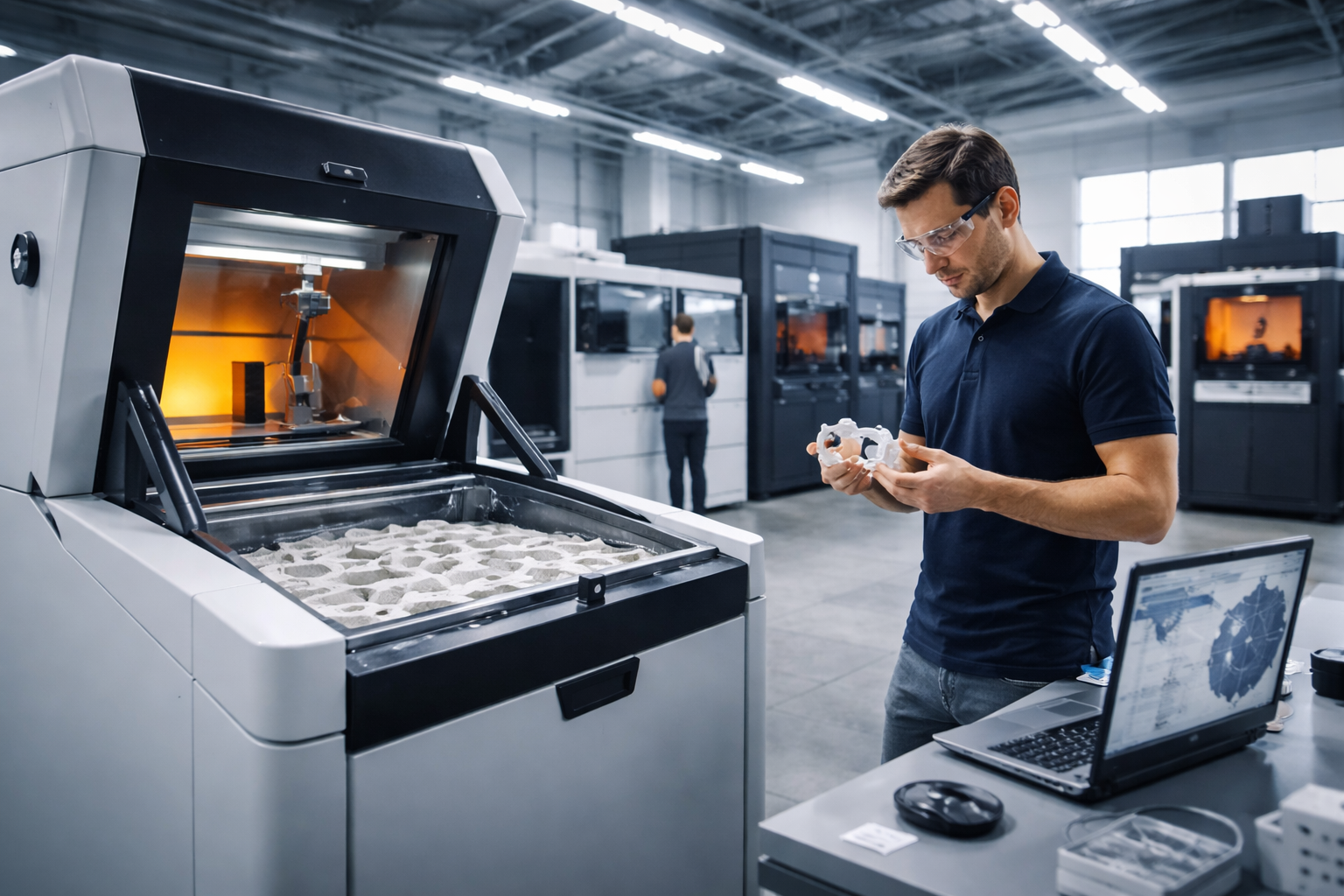
Fast engineering prototype support for magnets, motor components, precision parts and custom assemblies when teams need real samples, useful test feedback and faster design decisions before production tooling.
Service Positioning
Fast Samples Built for Engineering Decisions
Rapid prototyping is most valuable when each sample answers a specific technical question. A prototype can check geometry, prove an assembly interface, compare materials, validate a magnetic structure, expose tolerance problems or prepare a design for pilot production.
Vanguard helps customers choose practical prototype routes for motor and magnetic products where speed alone is not enough. We look at function, material, dimensional accuracy, surface finish, magnetic requirement, assembly sequence and future production method so the sample produces data the engineering team can actually use.
Best first message: send the 3D file or sample photos, explain what the prototype must prove, mark critical dimensions, define quantity and tell us whether the sample is for appearance, fit, functional test or pre-production validation.
Service Snapshot
What the Prototype Should Prove
01 Design Verification Prototype samples help verify geometry, assembly clearance, mounting interfaces, lead routing, magnet layout, air-gap assumptions and tolerance stack-up before tooling.
02 Process Selection CNC machining, 3D printing, wire EDM, grinding, soft tooling, molding, winding or assembly routes can be compared according to prototype purpose.
03 Functional Testing Samples can be prepared for fit checks, load tests, magnetic checks, electrical tests, thermal trials, vibration review or basic performance validation.
04 Production Preparation Prototype feedback can be used to adjust drawings, tolerances, material selection, assembly sequence and inspection standards before batch production.
Image Gallery
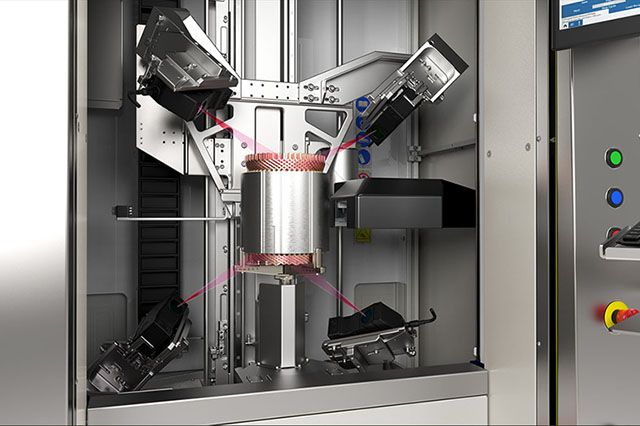
Prototype Routes for Motor and Magnetic Projects
Different prototype methods answer different questions. The right route depends on whether the sample must check shape, assembly, material behavior, magnetic output or production readiness.


Engineering Intake
Information Needed for a Serious Prototype Review
A fast prototype should still be technically targeted. Before production starts, it is important to define what the sample must prove and which details can be simplified for speed.
| Input Area | Recommended Data | Why Engineers Need It | Typical Output |
|---|---|---|---|
| Prototype Purpose | Appearance model, fit check, functional test, magnetic test, assembly trial or pre-production sample | Determines process, material, tolerance and finishing level | Prototype route recommendation |
| Design Files | STEP, STP, IGS, X_T, STL, 2D drawing, assembly drawing or reference sample | Defines geometry and helps identify critical dimensions | DFM comments and quotation basis |
| Material Requirement | Plastic, aluminum, steel, stainless steel, copper, magnet material, resin, nylon or production-equivalent material | Affects strength, thermal behavior, magnetic performance and surface finish | Material and process proposal |
| Critical Features | Holes, threads, bearing seats, air gap, sealing surfaces, magnet pockets, lead exits and mating interfaces | Prevents fast samples from missing the features that control function | Inspection focus and tolerance notes |
| Quantity & Lead Time | Single sample, design versions, pilot batch, urgent deadline and expected shipment schedule | Changes the choice between manual process, soft tooling and batch prototype route | Delivery plan and cost direction |
| Validation Method | Fit test, load test, torque test, magnetic flux, runout, balance, temperature or electrical insulation | Defines which features must be controlled and measured | Prototype test checklist |
Development Workflow
How a Rapid Prototyping Project Usually Moves Forward
The process can be compressed for urgent parts or expanded when the prototype is intended to support production decisions.
1 Requirement Review Confirm prototype purpose, required material, key dimensions, surface finish, quantity, lead time and test requirement.
2 Process Match Select CNC, 3D printing, wire EDM, grinding, molding, casting, winding or assembly route based on function.
3 DFM Check Review wall thickness, tolerances, material availability, machining access, magnet handling or assembly sequence.
4 Sample Build Produce prototype parts, complete secondary operations, assemble modules and inspect critical features.
5 Feedback & Revision Use test and assembly feedback to improve drawings, process route, material selection or next prototype version.
Technical Capability
Prototype Types We Can Support
Rapid prototyping can be used for individual components or complete assemblies. The right process depends on what the sample needs to prove.
CNC CNC Machined Prototypes Aluminum, steel, stainless steel, copper, brass and plastic prototypes with accurate interfaces, threads, bearing seats and assembly features.
Print 3D Printed Prototypes SLA, SLS, MJF, FDM and metal printing support for visual models, functional nylon parts, fixtures and complex geometry checks.
Magnet Magnetic Prototypes Custom magnets, magnetic rings, Halbach arrays, magnet carriers, rotor magnet assemblies and flux validation samples.
Motor Motor Component Samples Lamination stacks, wound stators, bonded magnet rotors, sleeves, shafts, housings and motor-related assembly prototypes.
Tool Soft Tooling & Trial Molding Prototype molds, low-volume plastic parts, molded magnets, inserts and trial parts before production tooling investment.
Fixture Assembly Fixtures Positioning tools, magnet bonding fixtures, checking gauges, drill guides, nests and jigs used to validate production sequence.
Design Choices
Typical Engineering Trade-Offs
Prototype decisions should match the question being tested. A fast sample may not need production material, while a validation sample may need to be much closer to final production.
| Decision | Fast Prototype Direction | Engineering Validation Direction | Review Point |
|---|---|---|---|
| Process | 3D printing, simple CNC or manual finishing for speed | CNC, soft tooling or production-like process for reliable data | Choose based on what the sample must prove |
| Material | Available substitute material for fast fit or appearance check | Production-equivalent material for strength, thermal or magnetic validation | Do not use substitute material for final performance judgment |
| Tolerance | General tolerance for visual or assembly concept | Controlled tolerance for air gap, bearing seats, sealing surfaces and mating parts | Critical features should be marked before quotation |
| Surface Finish | Basic finish, sanding, painting or printed texture | Production-like coating, polishing, plating or texture for validation | Surface treatment can affect fit, friction, bonding and corrosion |
| Quantity | One or two samples for quick review | Small batch for test repeatability and process check | Multiple samples reveal variation better than one perfect sample |
| Testing | Basic fit and visual check | Load, torque, flux, temperature, electrical or endurance testing | Prototype data should match the actual test condition |
Deliverables
What Customers Can Receive
Route Prototype Route Proposal Recommended process, material, lead time, finishing level and key engineering risks before sample build.
Sample Prototype Samples CNC, printed, molded, magnetic, wound, cast or assembled samples for review and testing.
Data Critical Inspection Data Dimensions, runout, polarity, flux, resistance, insulation, hardness or other agreed engineering checks.
Fit Assembly Feedback Fit problems, tolerance stack issues, clearance risks and suggested design changes from physical samples.
Revise Design Revision Support Drawing optimization, material adjustment, process changes and next-version sample planning.
Batch Production Transition Support Soft tooling, inspection standards, batch process planning and supplier transfer support.
Risk Control
Common Rapid Prototyping Risks We Check Early
Purpose Prototype Purpose Is Unclear A sample made for appearance cannot reliably validate strength, temperature, magnetic performance or production stability.
Material Material Is Not Equivalent Substitute materials can be useful for speed, but test results must be interpreted correctly.
CTQ Critical Dimensions Are Not Marked Fast prototypes may miss the features that actually control assembly, performance or inspection acceptance.
Route Process Does Not Match Production Prototype data may not transfer directly if production will use molding, casting, stamping or automated assembly.
Finish Surface Finish Is Underestimated Coating thickness, texture, plating and polishing can change fit, friction, bonding and corrosion behavior.
Loop No Engineering Feedback Loop Prototype value is reduced if test results are not used to update drawings, specifications and production decisions.
FAQ
Rapid Prototyping FAQ
Can you make prototypes without a complete drawing?
Yes. We can begin with a 3D model, rough drawing, reference sample or photos. If the information is incomplete, we first define the missing dimensions, material questions and validation points.
Can prototype parts use production-equivalent materials?
Yes. For engineering validation, production-equivalent material is often recommended. For early fit or appearance checks, substitute material may be acceptable if the limitation is clearly understood.
Can you prototype magnetic and motor assemblies?
Yes. We can support custom magnets, magnetic arrays, rotor assemblies, lamination stacks, wound stators, sleeves, housings, shafts, fixtures and related motor components.
What should we send first?
Useful files include STEP/STP models, 2D drawings, assembly drawings, sample photos, material requirements, critical dimensions, prototype purpose, quantity, deadline and test requirements.
Send the Model, the Purpose and the Deadline
Tell us what the prototype must prove, which features are critical and what production path you are considering. We can help choose a practical build route and prepare useful sample feedback.
Image sources: Hero image from QA Report rapid prototyping visual; gallery images from Siraya Tech prototype article, Dutch-Shape precision manufacturing page, KEDE magnetic rotor assembly page and Marposs quality-control page. Images were selected from visible no-watermark web results. For formal commercial publishing, please confirm usage rights with the source owners or replace them with company-owned prototyping, machining, assembly and inspection photos.
Engineering Services
Set A Consultation Today
Name can't be empty
Email error!
Send Your Message
*We respect your confidentiality and all
information are protected.